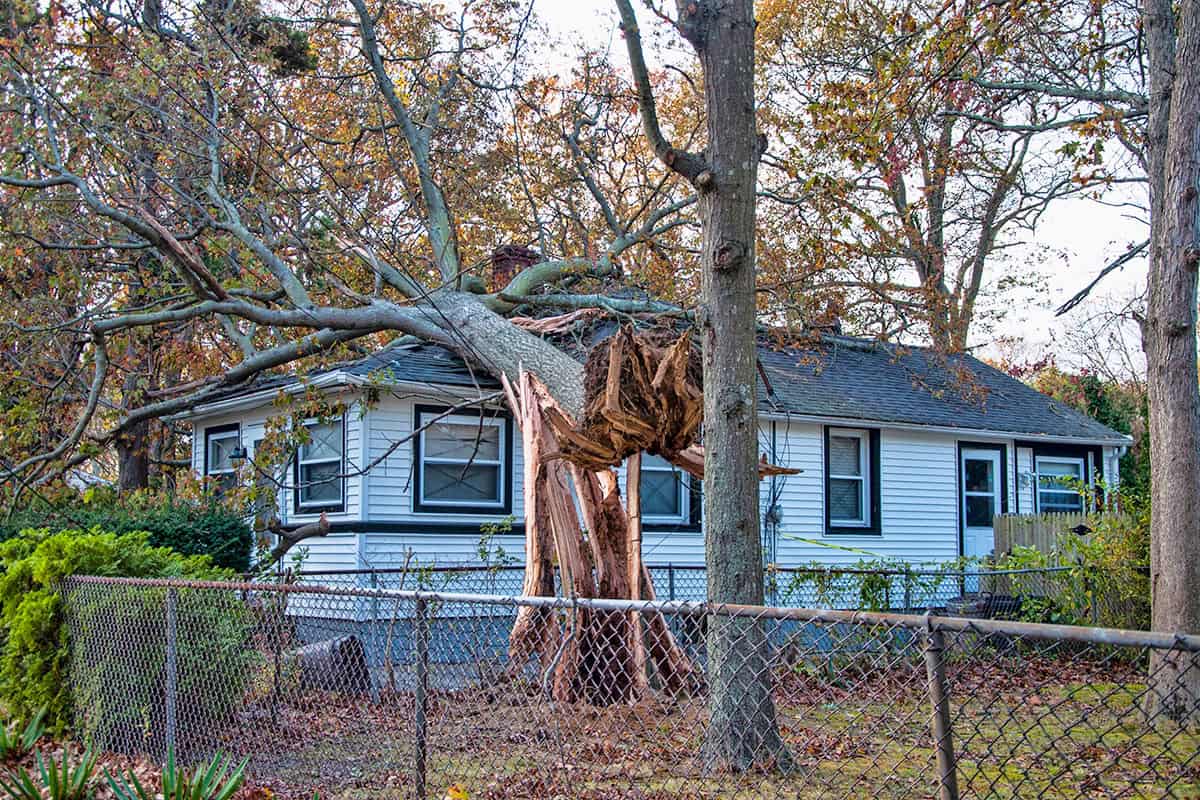
Home damage doesn’t give you a heads-up. A pipe bursts, a storm rips shingles off, a tree comes through the roof. Whatever caused it, what you do in the next 24 hours matters more than most people realize.
The steps you take during that first day can be the difference between a smooth claim and months of back-and-forth with your insurance company. Here’s the process, step by step, so you’re not guessing when it counts.
Table of Contents
Step 1: Prioritize Safety and Mitigation
Before thinking about deductibles or coverage limits, make sure everyone is safe. If there’s a fire, structural damage, or a gas leak, get out of the house and call emergency services. Everything else can wait.

Once the immediate danger is over, your job shifts to preventing more damage. Most insurance policies require the homeowner to take “reasonable steps” to stop things from getting worse. If a pipe bursts and you let the water sit for days until mold sets in, your insurer can deny the mold portion of the claim because you didn’t act.
Turn off the main water valve if there’s a leak. Tarp a hole in the roof so rain doesn’t get in. Board up broken windows. These are temporary fixes meant to hold things in place. Don’t start permanent repairs yet, because the adjuster needs to see the damage first.
Step 2: Document Everything Before You Touch Anything
Before you start cleaning up, moving debris, or pulling out wet carpet, stop and document. Photos, videos, everything. This is the evidence that supports your claim, and once you clean it up, it’s gone.
Take wide shots first to show the full scope of the room or exterior, then get close-ups of specific damage. Capture the water line on the walls, the charred sections of cabinetry, the missing shingles. Be thorough.

If personal property got damaged, don’t throw it out yet. The adjuster may need to see it. If something has to go for health reasons (soaked carpet, spoiled food from a power outage), document it thoroughly before you toss it. Keep a sample if you can. Start a rough inventory of damaged items with the make, model, and approximate age of each one.
Step 3: Review Your Policy Declarations Page
Before you call your agent, take five minutes and pull up your policy. You need to know your deductible. If the damage looks like it’ll cost $1,500 to fix and your deductible is $2,000, filing a claim doesn’t make financial sense.
Check your coverage limits for the structure (“Dwelling”) and your belongings (“Personal Property”). Also look for “Loss of Use” or “Additional Living Expenses” (ALE) coverage. That’s the part that pays for a hotel and meals if your home isn’t livable during repairs. Knowing this exists means you can figure out where your family is sleeping tonight without panicking about the cost.
Step 4: Notify Your Insurance Agent or Carrier
Once the property is stable and you’ve got your documentation, make the call. If you work with an independent agent, call them first. They can advocate for you and help you decide whether the damage is worth filing a claim based on your specific policy.
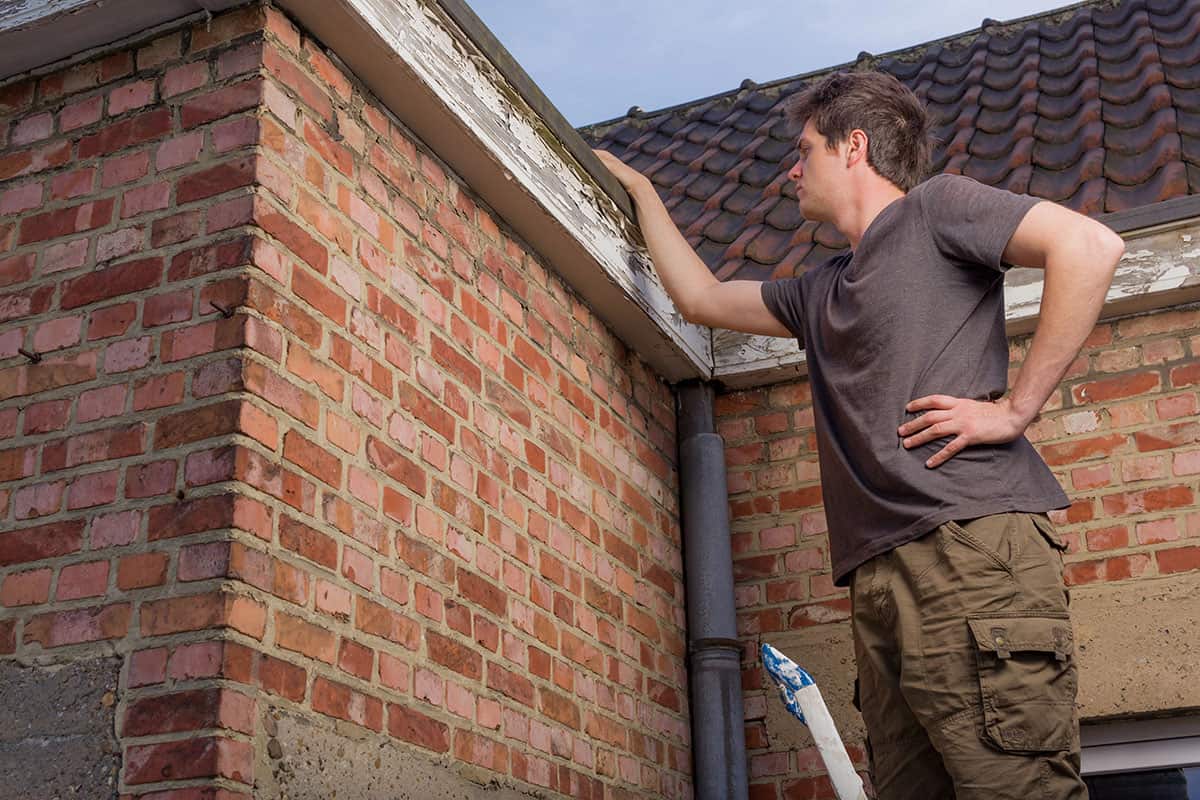
When you report it, stick to the facts. “A pipe burst in the kitchen around 2:00 PM.” “A storm blew a tree branch onto the roof.” Don’t speculate about the cause if you’re not sure. Using the wrong word can create coverage problems. For example, calling a “water backup” a “flood” is a real issue, because standard policies cover backup but exclude flood damage.
Step 5: Keep Every Receipt and Track Every Conversation
From the moment the damage happens, you’re going to start spending money. Plywood, a wet-vac rental, a hotel room. Keep every receipt.
Insurance companies need documentation to reimburse you. They can’t pay for what they can’t verify. Start a folder (physical or digital) for this claim. Write down who you talked to, when, and what was said. This paper trail keeps everyone accountable and makes sure you actually get paid what your policy entitles you to.
Step 6: Be Smart About Repairs and Contractors
Once your claim is approved, you can start permanent repairs.

When you’re hiring contractors:
- Verify their licenses and insurance
- Get written estimates
- Don’t pay large amounts upfront
- Be cautious of contractors who show up uninvited right after a storm
Contractor scams spike after natural disasters. Work with people you trust, and coordinate with your insurance company before you sign any repair agreements.
Common Mistakes to Avoid
Even homeowners who mean well can make errors that slow down or hurt their claim.
Watch out for these:
- Not documenting damage before you start cleaning up
- Throwing away damaged items too quickly
- Waiting too long to notify your insurer
- Making permanent repairs before the adjuster approves them
- Assuming damage is covered without actually reading your policy
Staying calm and following the steps in order makes a real difference in how things turn out.
FAQs
How soon should I file a homeowners insurance claim after damage?

As soon as you reasonably can, ideally within the first 24 hours. Quick reporting avoids delays and keeps you in compliance with your policy requirements.
Should I make repairs before the insurance adjuster arrives?
Temporary repairs, yes. Cover the roof, stop the leak, board up the window. But don’t do permanent work until the adjuster has seen the damage or given you the go-ahead.
What if my damage is less than my deductible?
Then filing a claim probably isn’t worth it. You’d get nothing back, and having a claim on your record can raise your premiums. Pay out of pocket for small stuff and save the claim for when you really need it.
Does homeowners insurance cover all types of water damage?
No. Sudden, accidental water damage (like a burst pipe) is usually covered. Flooding from rising water is not. That requires a separate flood insurance policy.
How long does a homeowners insurance claim take?

It depends on the damage. Simple claims can wrap up in a few weeks. Major losses (fire, severe storm damage) can take months. Good documentation and clear communication with your adjuster speed things up.
Should I file a claim if the damage is only slightly above my deductible?
Usually not worth it. Say your deductible is $1,000 and the damage is $1,200. You’d get $200 back, but your premiums might go up by more than that over the next few years. For small losses, paying out of pocket keeps your claims history clean for when something big happens.
Can I choose my own contractor, or do I have to use the insurance company’s?
You can choose your own. Insurance companies often have a preferred vendor list, and using those contractors can sometimes make things easier and may come with insurer-backed warranties. But you’re not required to use them. If you have someone you trust, you can hire them as long as their pricing is in line with the adjuster’s estimate.
What happens if I find more damage after the adjuster leaves?
It happens all the time. Water and fire damage especially can hide behind walls or under floors. If your contractor finds additional damage during repairs, they should stop and document it. You then file a “supplemental claim,” which is an addition to your original claim covering the new damage. Don’t pay for it out of pocket without telling your adjuster first.
Does my insurance cover the cost of a hotel if I can’t stay in my home?

Yes, as long as the loss is covered by your policy and the home is officially uninhabitable. It falls under “Additional Living Expenses” (ALE) or “Loss of Use.” It covers the increase in your normal living costs: hotel bills, the difference between your usual grocery spending and eating out, things like that. Keep all your receipts.
How long does it take to get a check?
For straightforward claims, you might get a settlement offer within days of the adjuster’s visit. For complex situations like fires or major storm damage, it can take weeks or months to finalize everything. You may get an initial check for the “actual cash value” to get repairs started, with the “recoverable depreciation” paid out once the work is finished.
Turning a Crisis into a Managed Process
The first 24 hours after home damage are overwhelming. That’s normal. But having a plan and following these steps takes a chaotic situation and turns it into something you can actually manage.
Prioritize safety, prevent further damage, document everything, and communicate clearly with your insurance company. That’s the formula.
If you’re not sure whether your current policy has the coverage you’d actually need in a situation like this, it’s worth finding out before something happens. Reach out to the Matt Patterson Insurance Agency for a coverage review. It’s a lot easier to check now than to find out you’re short after the damage is already done.