Buying your first home in Central Texas is a big deal. Whether you’re settling in Austin, Round Rock, Buda, San Marcos, or one of the surrounding communities, homeownership comes with both excitement and responsibility. One of the most important decisions you’ll make before closing is picking the right insurance coverage.
Insurance isn’t just a box your lender makes you check. It’s a real part of protecting your financial future. Central Texas has its own weather patterns and property risks that first-time buyers should understand before signing on to a policy.
Here’s a straightforward breakdown of the insurance you need when buying your first home, and how to think about it from a financial planning perspective.
Table of Contents
Homeowners Insurance Is Required
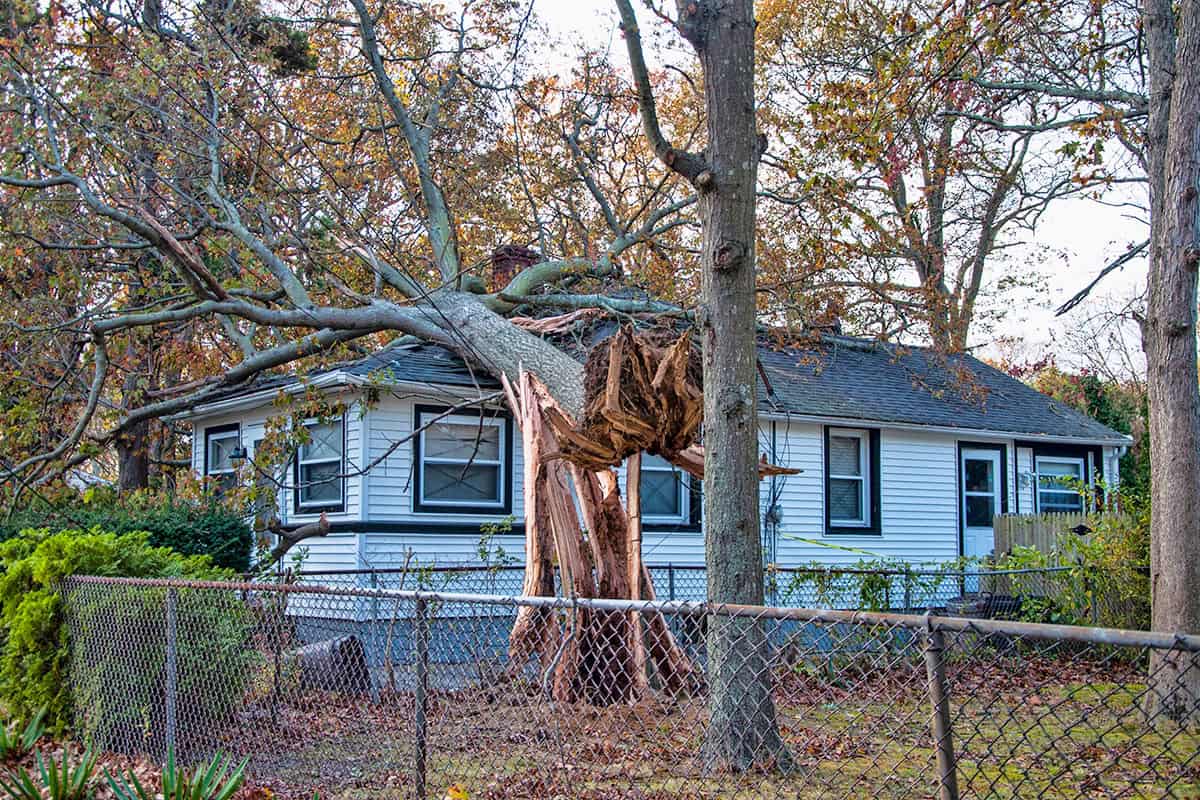
If you’re financing your home, your mortgage lender will require proof of homeowners’ insurance before closing. Even if you’re paying cash, carrying coverage is still a smart move.
A standard homeowners’ policy typically includes:
Dwelling coverage
This protects the structure of your home from covered events like fire, wind, hail, and certain types of water damage.
Other structures coverage
This covers detached garages, fences, sheds, and similar structures on your property.
Personal property coverage

This protects your belongings if they’re damaged or stolen due to a covered loss.
Liability coverage
This helps protect you financially if someone is injured on your property and you’re found legally responsible.
Loss of use coverage
If your home becomes unlivable due to a covered event, this pays for temporary housing and related expenses.
Understanding how each piece works matters. Not all policies are built the same, and coverage limits deserve a careful look rather than just accepting whatever minimum your lender requires.
Replacement Cost Versus Market Value
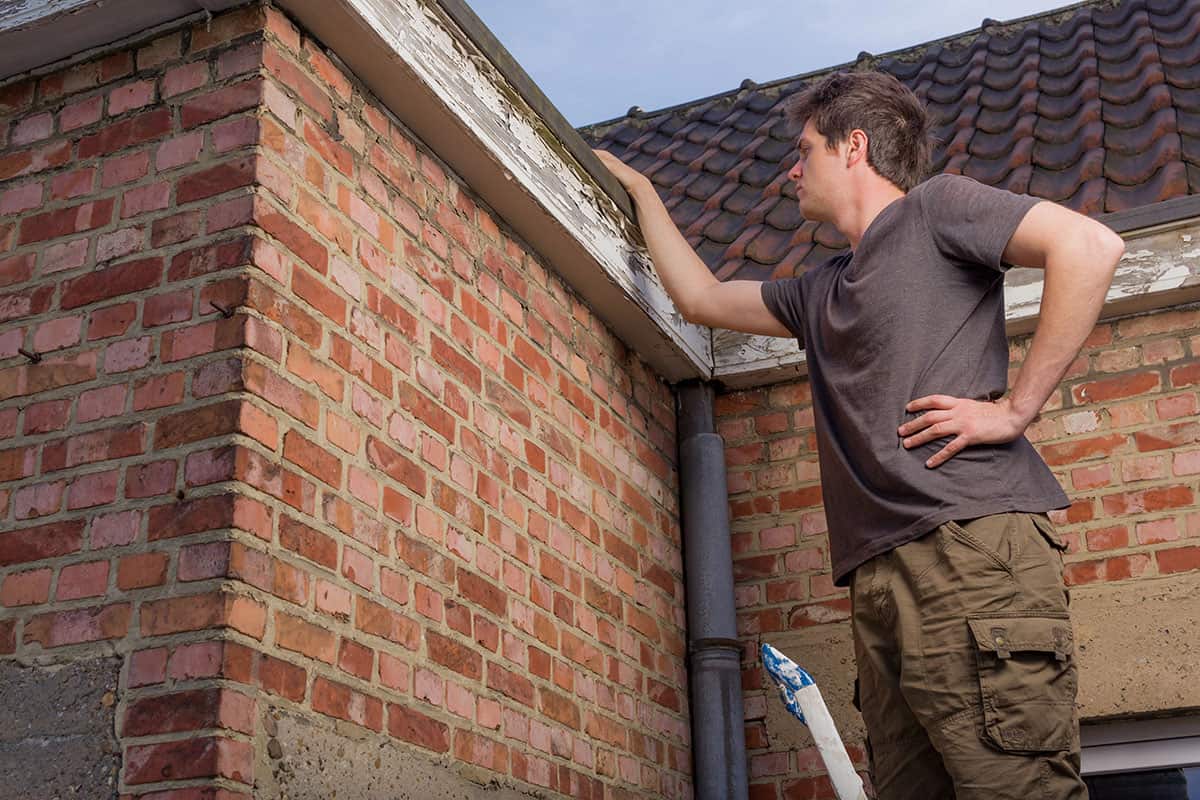
Central Texas home values have climbed significantly over the past decade. But your dwelling coverage should be based on replacement cost, not market value.
Replacement cost reflects what it would actually cost to rebuild your home using similar materials and labor at today’s prices. Market value includes land and local demand, which don’t factor into rebuilding after a loss.
Construction costs in Texas shift with labor availability and material pricing. Making sure your home is insured at the right replacement cost helps prevent a painful gap if something major happens.
Wind and Hail Coverage
Wind and hailstorms are a regular occurrence across Central Texas. Severe thunderstorms, straight-line winds, and hail can do real damage to roofs and exteriors.

Most standard homeowners’ policies include wind and hail coverage. But there are details worth checking:
- Your wind and hail deductible
- Whether your deductible is a flat dollar amount or a percentage of your dwelling coverage
- Any separate deductibles for named storms
Many policies use percentage-based deductibles for wind and hail claims. For example, a 2 percent deductible on a $400,000 home means you’d pay $8,000 out of pocket before coverage kicks in.
From a budgeting perspective, pick a deductible that balances your premium savings with what you can actually afford to pay after a storm.
Do You Need Flood Insurance in Central Texas?
Flooding is a real concern in parts of Central Texas, especially in areas with rapid development, creeks, or low-lying terrain.

Standard homeowners’ insurance does not cover flood damage. Flood insurance must be purchased separately, usually through the National Flood Insurance Program or a private insurer.
If your home sits in a high-risk flood zone, your lender will likely require flood insurance. But flooding can and does happen outside those designated zones. Heavy rainfall and flash floods are common in this region.
Even a few inches of floodwater can wreck flooring, walls, electrical systems, and personal property. Looking into your property’s flood risk early in the buying process lets you make a better decision.
Water Backup Coverage Is Often Overlooked
Another endorsement worth adding is water backup coverage. This covers damage from water backing up through a sewer, drain, or sump pump.

With growing neighborhoods and aging infrastructure in some areas, sewer backups happen more than you’d think. Without this endorsement, repairs to flooring, drywall, and personal belongings may not be covered.
Adding water backup protection is usually inexpensive and worth the cost.
Liability Coverage and Umbrella Insurance
As a homeowner, you take on liability risks tied to your property. If a guest slips on your driveway or a tree from your yard damages a neighbor’s property, you could be on the hook financially.
Standard homeowners’ policies often include liability limits starting at $100,000 or $300,000. Depending on your income, assets, and lifestyle, bumping that limit up may be a good idea.

Many first-time buyers also look into a personal umbrella policy. Umbrella insurance adds liability protection on top of your homeowners and auto policies. It’s generally affordable and gives you an extra cushion.
If you’re building savings, investing, or planning for long-term wealth, protecting those assets from liability exposure should be part of your overall plan.
Understanding Escrow and Monthly Costs
Most mortgage lenders in Texas require an escrow account. That means your homeowners’ insurance premium and property taxes get rolled into your monthly mortgage payment.
Escrow makes budgeting simpler, but insurance premiums can change year to year. Factors that may affect your rate include:
- Claims history
- Weather trends
- Home improvements
- Market conditions
Reviewing your policy every year with an insurance professional helps make sure your coverage stays appropriate and reasonably priced.
Optional Coverages for Central Texas Homeowners
Depending on your property and location, you may want to look into additional protections such as:
- Extended replacement cost coverage
- Equipment breakdown coverage
- Scheduled personal property endorsements for jewelry or high-value items
- Foundation or water-related endorsements
Not every homeowner needs every add-on. The goal is to evaluate your specific risks and what you can afford.
FAQS
Is homeowners’ insurance required in Texas?
Homeowners’ insurance isn’t required by Texas law. But if you have a mortgage, your lender will require coverage before closing.
Does homeowners’ insurance in Texas cover wind and hail?
Most standard Texas homeowners policies include wind and hail coverage. Deductibles are often percentage-based, though, so review your policy details carefully.
Do I need flood insurance if I’m not in a flood zone?
You may still want it. Many flood claims happen outside high-risk zones. Central Texas is known for heavy rains and flash flooding that can catch homeowners off guard.
How much insurance do I need?
You should carry enough dwelling coverage to rebuild your home at current construction costs. An insurance professional can run a replacement cost estimate to help you figure out the right amount.
When should I shop for homeowners’ insurance during the buying process?
Start shopping once your purchase contract is signed and well before closing. Your lender will need proof of insurance before funding your loan.
What exactly is a 1% wind/hail deductible?
It’s a deductible calculated as 1% of your home’s insured dwelling coverage. If your home is insured for $350,000, your deductible for a wind or hail claim is $3,500. This is separate from your “All Other Peril” deductible, which covers things like fire or theft and is usually a fixed dollar amount.
Do I really need flood insurance if I’m not in an official flood zone?
It’s highly recommended in Central Texas. According to FEMA, more than 20% of all flood claims come from properties outside high-risk flood zones. Given the “Flash Flood Alley” risk, the relatively low cost of a flood policy for a low-risk area makes it a smart financial move.
Why is homeowners’ insurance in Texas more expensive than in other states?
Texas sees a high number of severe weather events: hurricanes along the coast, hailstorms in the north and central regions, and tornadoes. The volume of claims from these events pushes up insurance costs statewide.
When should I start shopping for homeowners’ insurance?
As soon as you have a signed contract on a home. You’ll need to give your lender proof of insurance (called a binder) before your closing date. Waiting until the last minute can cause delays and limit your choices.
Is Private Mortgage Insurance (PMI) the same as homeowners’ insurance?
No, and this is an important distinction. Homeowners insurance protects you and your property. PMI protects your lender. If your down payment is less than 20%, your lender will require PMI, which covers them if you default on the loan. It does nothing for you.
Protect Your Investment with Confidence
Homeownership is one of the biggest financial commitments you’ll make. In Central Texas, where severe weather and rapid growth create real risks, having the right insurance coverage matters.
Take the time to review your policy carefully and ask about exclusions, deductibles, and optional endorsements. Working with the Matt Patterson Insurance Agency can help make sure your coverage fits both your lender’s requirements and your long-term financial goals.
With the right insurance in place, you can move into your new home knowing you’re covered.