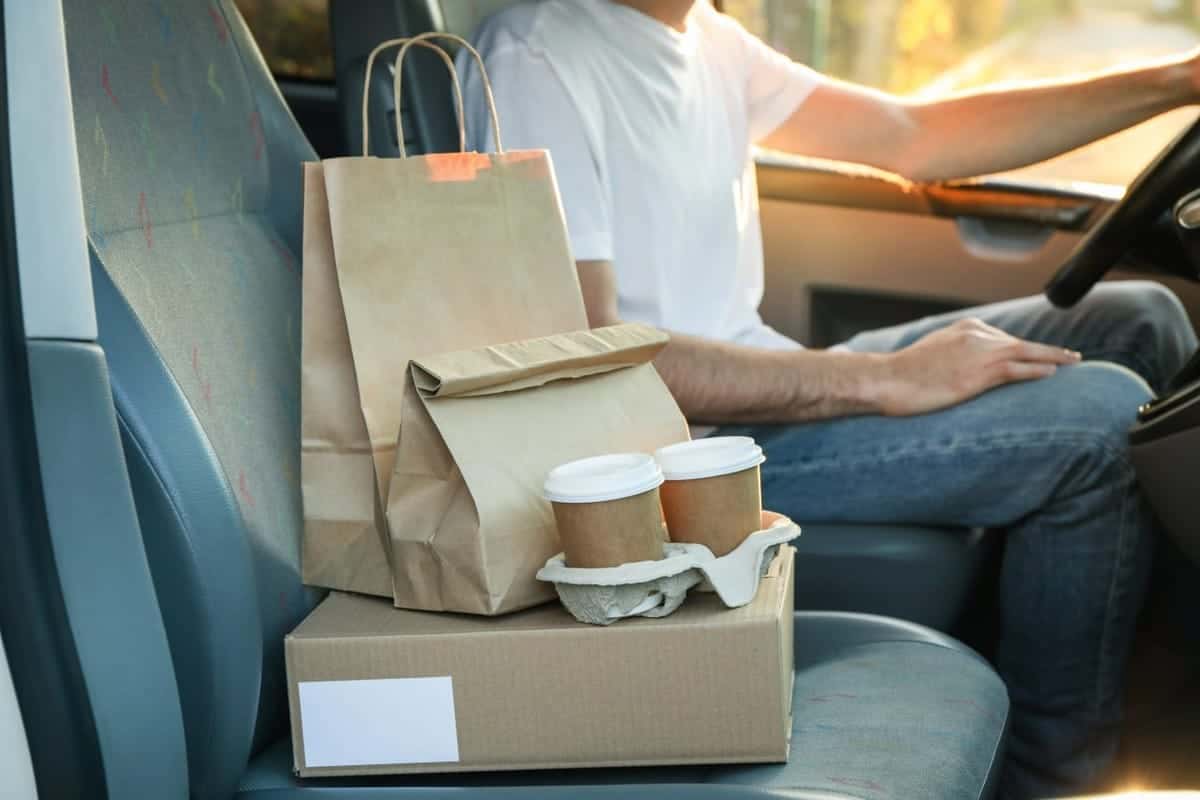
Driving for Uber, Lyft, DoorDash, or other delivery platforms has become a popular way to earn extra income. Whether you are working part time or building a full time gig business, there is one critical question many drivers overlook:
Does my personal auto insurance cover me while I am driving for Uber or DoorDash?
The short answer is usually no. In most cases, a standard personal auto insurance policy does not fully cover you while you are engaged in rideshare or delivery work. Understanding why and knowing how to close potential coverage gaps can protect your finances and your car.
Let’s break it down in practical terms.

Table of Contents
How Personal Auto Insurance Typically Works
A personal auto insurance policy is designed for private use. This means commuting to work, running errands, and personal travel. Most policies specifically exclude coverage if you use your vehicle for commercial purposes.
When you sign up to drive for Uber, Lyft, DoorDash, or similar services, you’re using your car for business activity. Even if it’s part-time, your vehicle is generating income. That changes how insurers view the risk.
If you get into an accident while actively working on a rideshare or delivery app and you only have personal auto insurance, your claim could be denied. That leaves you responsible for repairs, medical bills, and possible liability claims out of pocket.
Understanding the Rideshare Coverage Periods

Rideshare companies structure insurance coverage around specific periods. Knowing these phases helps clarify where personal coverage ends and company coverage begins.
Period 0: App Off
You’re not logged into the rideshare or delivery app.
Your personal auto insurance applies as normal.
Period 1: App On, Waiting for a Ride
You’re logged in and waiting for a ride request or delivery order.

This is often the biggest coverage gap. The rideshare company provides limited liability coverage, but it may not include collision or comprehensive unless you have them on your personal policy and even then, coverage can be limited.
Period 2: Ride Accepted, En Route
You have accepted a trip or delivery and are on your way to pick up the customer or order.
The company typically provides higher liability limits and contingent collision coverage.
Period 3: Passenger or Delivery in Vehicle
You’re actively transporting a passenger or completing a delivery.
The company usually provides the highest level of coverage during this period.
The issue is that the coverage provided by Uber or DoorDash is not always comprehensive. It may include high liability limits but can have deductibles that are much higher than your personal policy. It also may not cover certain damages the way you expect.
Where Coverage Gaps Commonly Occur
The most significant risk often occurs during Period 1, when you are logged into the app but have not yet accepted a ride or order.
Many personal auto policies exclude coverage the moment you turn on the app, because you are technically available for commercial activity. At the same time, the rideshare company may only provide limited liability coverage and no collision coverage.
If you cause an accident during this window, you could face:
- Property damage claims
- Bodily injury claims
- Vehicle repair costs
- Out of pocket deductible expenses
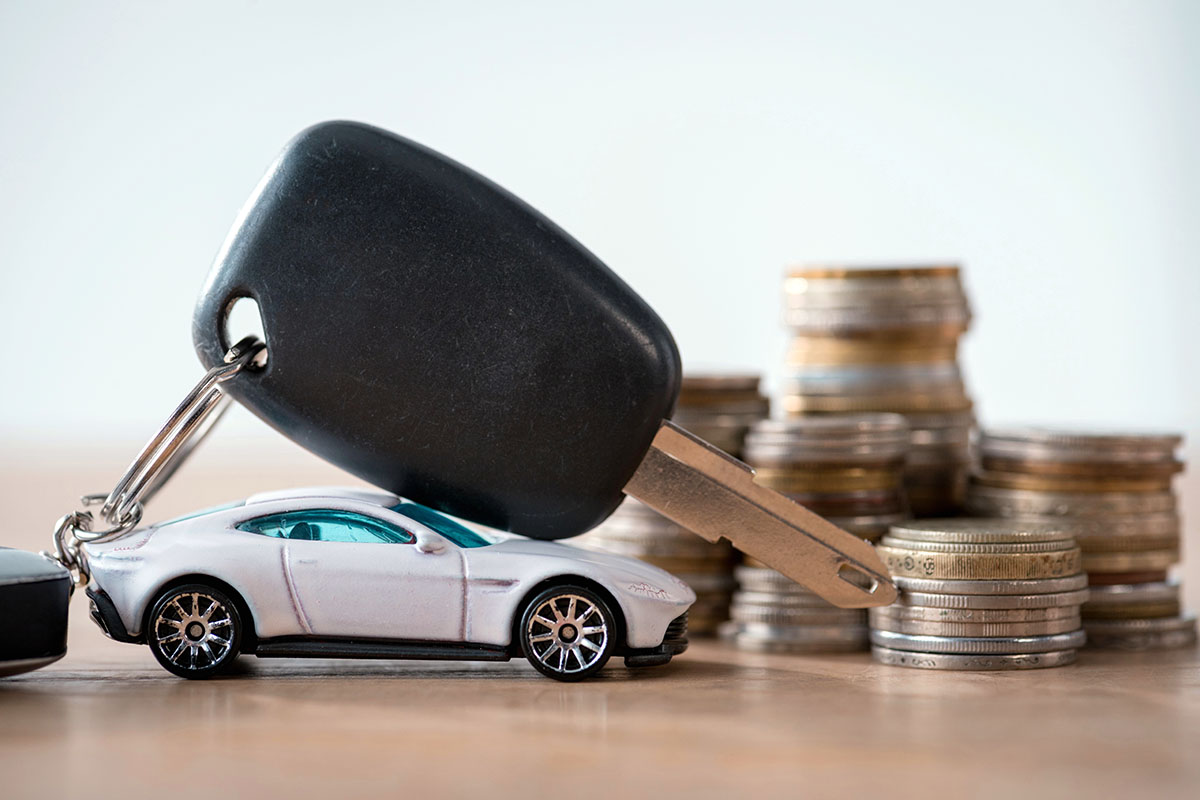
For someone building income through gig work, an uncovered claim can erase months or even years of earnings.
What Is Rideshare Insurance?
Rideshare insurance is an endorsement or separate policy designed to bridge the gap between your personal auto coverage and the insurance provided by Uber, Lyft, or delivery platforms.
It typically extends your personal policy to cover you during Period 1 and may align deductibles with your standard coverage. In some cases, it can also enhance coverage overall.
- Benefits of rideshare coverage often include:
- Extended collision and comprehensive coverage
- Consistent deductibles
- Reduced risk of claim denial
- Protection of your long-term insurability
For drivers who work regularly on these platforms, this is often a cost-effective way to protect income and assets.
What About DoorDash and Food Delivery?
Delivery services like DoorDash, Uber Eats, and Grubhub operate similarly but with some differences.
Many food delivery platforms provide limited liability coverage while you are actively completing a delivery. However, they may not provide coverage while you are waiting for an order or if you’re using multiple apps at once.
If your insurer discovers you are delivering food without disclosing it, they may:
- Deny a claim
- Cancel your policy
- Non renew your coverage

From a financial planning perspective, losing insurance coverage can have long-term consequences beyond a single accident.
Why This Matters for Financial Planning
Insurance is not just a legal requirement. You can protect your assets, income, and long-term financial stability.
If you rely on gig income to pay bills, save for retirement, or fund business growth, an uncovered accident could:
- Drain emergency savings
- Increase debt
- Lead to lawsuits
- Damage credit
For business-minded individuals, proper insurance is a foundational risk management strategy. Just as you would not operate a storefront without liability coverage, you should not operate a rideshare vehicle without appropriate protection.
How to Protect Yourself
If you’re currently driving or considering it, take these steps:
- Review your personal auto policy. Look specifically for exclusions related to commercial or rideshare use.
- Contact your insurance agent and disclose your gig driving activity. Transparency is critical.
- Ask about a rideshare endorsement or hybrid policy.
- Compare deductibles between your policy and the rideshare company coverage.
- Evaluate whether the additional premium fits into your overall budget and financial plan.
Matt Patterson can help structure coverage that aligns with your risk tolerance and income goals.
FAQs
Will my personal auto insurance automatically cover Uber driving?
In most cases, no. Standard personal auto policies exclude commercial use. If you are driving for Uber without a rideshare endorsement, your claim could be denied.
Does Uber or DoorDash insurance fully protect me?
Not entirely. While these companies provide liability coverage during certain periods, there may be gaps, high deductibles, or limited protection when you are waiting for a ride or order.
Is rideshare insurance expensive?
Rideshare endorsements are typically more affordable than full commercial auto policies. The cost varies by state, insurer, and driving history, but many drivers find the added premium reasonable compared to the financial risk of being uninsured.
What happens if I do not tell my insurance company I drive for a delivery app?
If you fail to disclose rideshare or delivery activity, your insurer may deny claims or cancel your policy. Full disclosure protects you and ensures your coverage works when you need it.
Do I need commercial auto insurance for DoorDash?
Not always. Many insurers offer rideshare or delivery endorsements that extend your personal coverage. However, if you drive extensively or operate as a larger business, a commercial policy may be more appropriate.
Is the insurance for food delivery different from rideshare for passengers?
In the eyes of insurance carriers, they are very similar. Both are considered “business use” of a vehicle. However, some carriers are more lenient with food delivery than with transporting passengers due to the reduced liability of not having a stranger in your car. You must specify which type of driving you’re doing when speaking to your agent to get the correct coverage.
What is the deductible difference between my policy and the app’s policy?
This is a major financial consideration. Most personal auto policies have deductibles ranging from $500 to $1,000. In contrast, the insurance provided by rideshare companies often carries a deductible as high as $2,500. This means if you get into an accident while on a job, you are responsible for the first $2,500 of repairs. A rideshare endorsement on your personal policy can often help cover this deductible gap.
Protecting Your Income Starts with the Right Coverage
Participating in the gig economy is an excellent way to accelerate your financial goals, but it requires the same level of diligence you would apply to any other business venture. The line between personal driving and commercial driving is distinct in the insurance world, and ignoring it places your vehicle and your savings at risk.
Do not wait until you are on the side of the road to find out if you’re covered. Review your current policy and speak with Matt Patterson Insurance today. We can help you secure a rideshare endorsement that protects you during every minute of your drive.
Proactive planning today can prevent financial setbacks tomorrow.