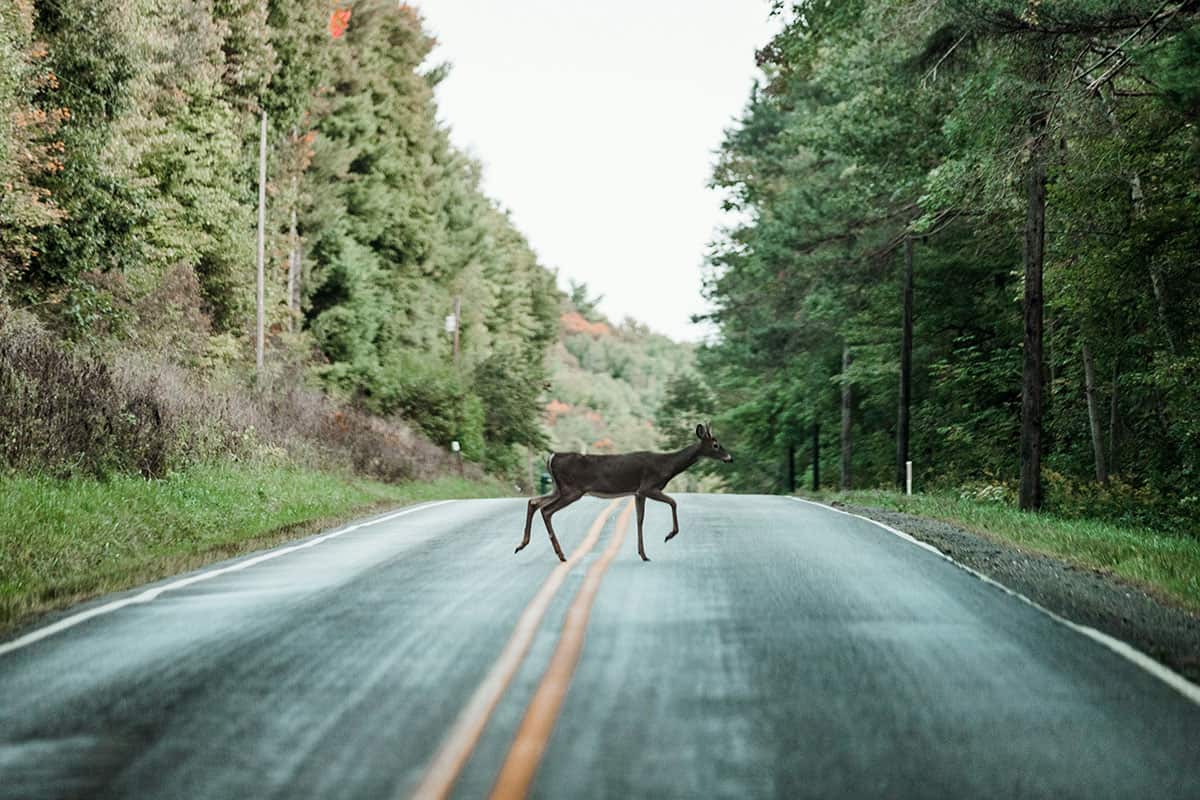
You’re driving home at dusk, and a deer bolts out of the tree line. There’s no time to stop. The impact wrecks your bumper, cracks a headlight, and leaves you sitting on the shoulder wondering what your insurance actually covers, and whether you have Kyle comprehensive car insurance in place.
The short answer: it depends on what kind of coverage you have. And knowing the answer before you need it can save you a lot of stress and money, when assessing car insurance quotes in Kyle TX.
Here’s what you should know.
Table of Contents
Comprehensive Coverage Is What Matters Here

If you hit a deer, the claim falls under comprehensive coverage, not collision.
Comprehensive covers damage from events that aren’t a typical car-on-car accident. That includes:
- Animal collisions
- Theft
- Vandalism
- Fire
- Falling objects
- Hail and storm damage
A deer strike counts as an animal-related incident, so it goes through comprehensive in most policies.
If you only carry liability insurance, you’re out of luck for your own vehicle. Liability pays for damage you cause to others. It won’t cover your repairs.

If you do have comprehensive coverage, your insurer will generally cover repair costs minus your deductible.
What About Collision Coverage?
Collision applies when your car hits another vehicle or a fixed object like a guardrail or tree.
Hitting a deer? That’s comprehensive. But here’s where it gets tricky: if you swerve to miss the deer and slam into a tree, that damage may fall under collision instead.
The two coverages often have separate deductibles, so it’s worth checking your policy to understand which one applies in each scenario.
How Deductibles Affect What You Actually Pay

Your deductible is the amount you cover before insurance kicks in. If your comprehensive deductible is $500 and repairs cost $4,000, you pay $500 and your insurer handles the remaining $3,500.
A higher deductible means a lower monthly premium, but more out of pocket after a claim. Pick a deductible you could pay without raiding your emergency fund.
Deer strikes tend to cause front-end damage: broken headlights, dented hoods, and sometimes radiator or engine problems. Modern vehicles with sensors and cameras make repairs even more expensive. Bills over a few thousand dollars are common.
Will Filing a Claim Raise My Premium?
This is what most people worry about. The good news: comprehensive claims are generally treated as not-at-fault incidents.

You can’t control a deer running into the road. Most insurers recognize that and treat these claims differently from at-fault collisions. Comprehensive claims usually have less impact on your rates.
That said, filing several claims in a short window could still affect your premium. It’s worth weighing the repair cost against your deductible before deciding to file.
What If Someone Gets Hurt?
If you or your passengers are injured, medical expenses may be covered through:
- Personal injury protection (PIP)
- Medical payments coverage (MedPay)
- Your health insurance
What applies depends on your policy and your state. Talk to your insurance agent to understand how medical costs would be handled.

If the accident causes another vehicle to crash, liability coverage may also come into play.
Should You Always File a Claim?
Not always. Before you file, think about:
- The total repair estimate
- Your comprehensive deductible
- Your recent claims history
- Whether a new claim could affect future premiums
If the damage is only a little above your deductible, paying out of pocket might make more sense. But if you’re looking at major repairs, that’s exactly what comprehensive coverage is for.
This is where having an emergency fund and the right insurance work together.
What to Do After You Hit a Deer

If it happens, here’s the checklist:
- Pull over safely and turn on your hazard lights.
- Check for injuries and call 911 if needed.
- Don’t approach the animal. An injured deer can be unpredictable and dangerous.
- Take photos of the damage and the scene.
- Call your insurance company as soon as you can.
Reporting the accident quickly helps keep the claims process moving.
Is Comprehensive Coverage Worth Carrying?
If your car is paid off, comprehensive is optional. But if you live anywhere near deer country, it’s usually a smart buy.
Comprehensive premiums tend to be lower than collision premiums. When you compare that cost to a potential repair bill of several thousand dollars, the math works out in your favor.

If you drive a newer car or one with a higher value, comprehensive coverage protects your investment and keeps an unexpected deer strike from throwing off your finances.
FAQS
Is hitting a deer a collision or comprehensive claim?
Comprehensive. Hitting an animal is classified as a non-collision event in most policies.
Does liability insurance cover hitting a deer?
No. Liability only covers damage you cause to other people or their property. You need comprehensive coverage to protect your own vehicle from animal collisions.
Will my rates go up if I hit a deer?
Usually not by much. Comprehensive claims are not-at-fault, so they tend to have less impact on your premium than collision claims. But it varies by insurer and your overall claims history.
What if I swerve to avoid a deer and crash?
If you miss the deer but hit something else, that damage likely falls under collision coverage. Your collision deductible would apply.
Should I carry comprehensive on an older car?
It depends on the car’s value and what you can afford. If paying for repairs out of pocket would be a real problem, comprehensive is still worth having. If the car’s market value is low, you might decide the premium isn’t justified.
Is comprehensive coverage expensive to add?
It depends on your vehicle, location, and deductible. For most drivers, it’s one of the more affordable additions to a policy. A minor deer strike on a modern car with front-end sensors can easily cost over $2,000 to fix, so the premium often pays for itself.
Can I add comprehensive coverage after an accident?
You can adjust your coverage anytime, but it only applies going forward. You can’t add comprehensive after a collision and expect that incident to be covered. Review your policy now so you’re protected before something happens.
Know Your Coverage Before You Need It
Hitting a deer is stressful enough without worrying about how you’ll pay for repairs. In most cases, comprehensive auto insurance covers the damage after you meet your deductible, and having Kyle auto insurance tailored to your needs can make the process much smoother.
Take a few minutes to review your policy limits with the Matt Patterson Insurance Agency, deductibles, and optional coverages with your insurance agent. It’s a lot easier to make those decisions now than guessing on the side of the road.