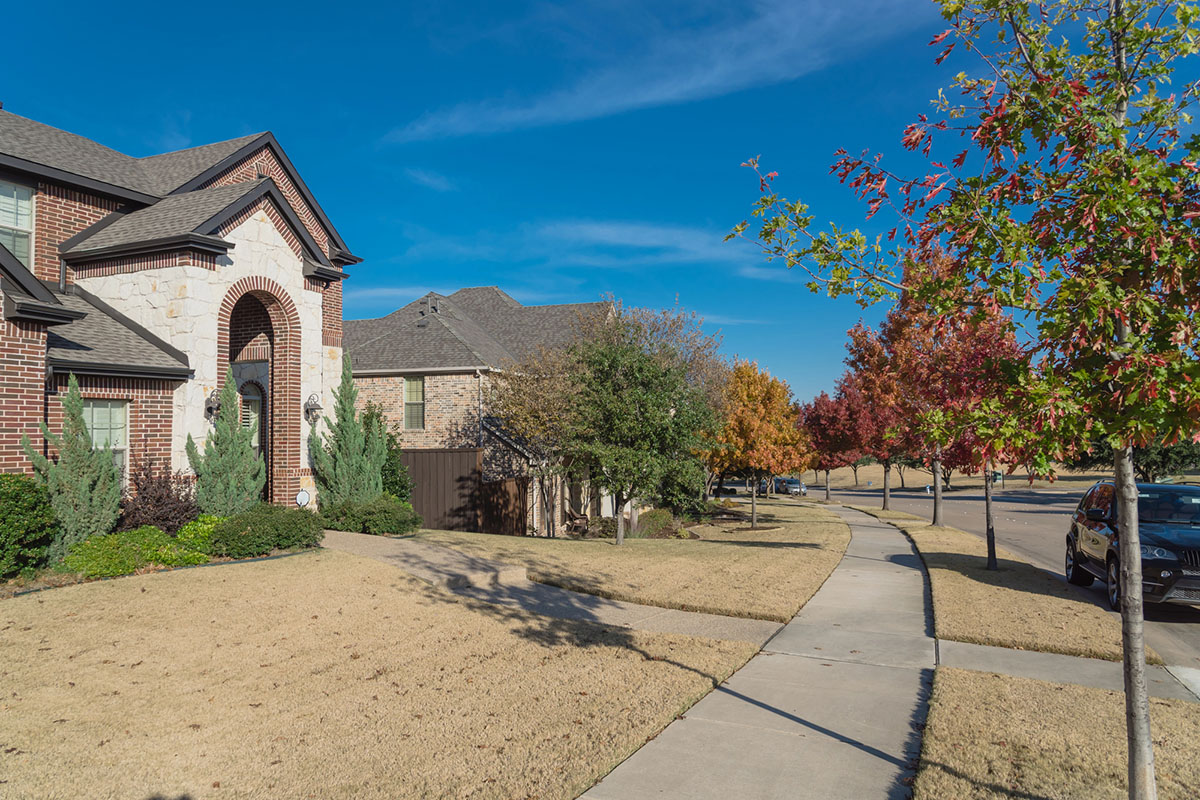
Property owners across Travis, Williamson, Hays, and Bastrop counties are seeing noticeable shifts in their annual home insurance bills. Rapid regional growth, unpredictable weather, and high construction costs mean standard policy rates need a closer look. Knowing how local pricing works helps you keep your house protected without overspending on monthly bills.
This guide covers typical rates across Central Texas, explains what is driving recent price changes, and offers practical steps to lower your annual bill.
Evaluating Your Home Insurance Options
- Assess Structural Risk
- Roof age & impact rating (Class 4)
- Age of plumbing, electrical, and HVAC systems
- Calculate Coverage Needs
- Dwelling value (local rebuild costs, not market value)
- Personal property and liability limits
- Choose Deductible Structure
- All-Peril deductible (flat dollar amount)
- Wind/Hail deductible (1% to 2% of total dwelling value)
- Compare Local Market Options
- Gather quotes across multiple regional and national carriers
- Apply available discounts (bundling, security devices)
Table of Contents
Average Home Insurance Costs in Central Texas
Texas home insurance rates run higher than the national average due to constant storm exposure. In Central Texas, the average annual premium for a single-family home with $300,000 to $400,000 in dwelling coverage lands between $3,200 and $4,500 per year (about $265 to $375 per month).
Your final bill depends on your specific town, the age of your house, and your exact policy choices. An older house in central Austin will see different rate structures than a newer build in Round Rock, Cedar Park, Buda, or Kyle.
| Dwelling Coverage Limit | Estimated Annual Premium Range | Estimated Monthly Cost |
| $250,000 | $2,400 – $3,100 | $200 – $258 |
| $350,000 | $3,200 – $4,200 | $267 – $350 |
| $500,000 | $4,300 – $5,600 | $358 – $467 |
| $750,000+ | $5,800 – $7,500+ | $483 – $625+ |
Rates reflect standard HO-3 policies with basic liability and a 1% to 2% wind and hail deductible.
What Is Driving Central Texas Rate Changes?
A mix of economic pressures and local weather pushes policy pricing up or down across the region. Insurance carriers update their base rates each year to match expected repair costs and regional claim payouts.
Severe Weather and Hail
Central Texas sits right in the path of frequent spring storms, heavy hail, and strong winds. A single bad hail storm often damages every roof in a neighborhood, requiring full replacements. Since roofs make up a massive chunk of property claims, insurance carriers price local policies higher to absorb those heavy, repeated storm payouts.
Inflation and Higher Rebuilding Costs
Home insurance pays out based on modern construction replacement costs, not your home’s real estate market price. Over recent years, local trade labor and core materials (like shingle roofing, framing lumber, and drywall) have gotten much more expensive. When local rebuild costs go up, insurance companies must raise your total dwelling coverage (Coverage A) so you can actually rebuild after a loss. That higher coverage limit directly pushes up your base rate.
Property Age and Roof Condition
Older homes with original pipes, electrical wiring, or aged roofing carry more risk for insurance companies. Many carriers in Central Texas apply stricter rules or Actual Cash Value (ACV) payout schedules for roofs over 10 to 15 years old. Updating your major household systems keeps your policy terms strong and helps prevent forced deductible hikes.
Understanding Wind and Hail Deductibles
Texas property policies usually separate standard water or fire damage from storm damage. Pay attention to how your deductibles apply when filing a claim:
- Flat Dollar Deductibles: These apply to standard issues like interior pipe bursts, kitchen fires, or theft (usually set at $1,000 or $2,500 per incident).
- Percentage Deductibles: These apply specifically to wind and hail damage. The percentage (1%, 2%, or 5%) calculates off your total dwelling coverage limit, not the total cost of the damage.
For example, if your house is insured for $400,000 in dwelling coverage and you have a 2% wind/hail deductible, you pay $8,000 out of pocket before your insurance pays a dollar. Choosing a higher percentage keeps your yearly bill lower, but leaves you with a bigger bill after a severe storm.
Practical Ways to Lower Your Annual Premium
You can take clear, practical steps to trim your insurance costs without cutting back on protection.
1. Upgrade Key Structural Protections
Installing Class 4 impact-resistant roof shingles earns solid premium discounts with many carriers. Putting in automatic water shut-off valves, monitored fire alarms, and home security systems also unlocks immediate policy credits.
2. Review Policy Details Every Year
Make sure your policy paperwork matches your house as it stands today. Dropping unnecessary extra endorsements, setting personal property limits to match what you actually own, and bundling your home and auto policies with the same carrier strips away extra costs.
3. Work with an Independent Local Agent
Independent agents shop across dozens of regional and national insurance companies instead of selling just one brand. That lets them compare policies across the whole market to find proper coverage at a fair price.
FAQs
What is the average cost of home insurance in Central Texas?
Most homeowners pay between $3,200 and $4,500 per year for a typical house with $350,000 in dwelling coverage. Your exact price depends on your ZIP code, house age, roof condition, and deductible choices.
Why did my premium go up if I never filed a claim?
Rates rise due to broader regional trends. General inflation, rising local labor and material costs, and heavy storm claims across your county force carriers to adjust base prices. Insurance pools regional risk across all homeowners in your area.
How does roof age affect my policy?
Roofs older than 10 to 15 years often lead to higher prices or restricted policy terms, such as Actual Cash Value payouts instead of full replacement cost coverage. Installing a new roof or switching to hail-resistant materials brings those costs down.
What is the difference between dwelling coverage and market value?
Dwelling coverage is the calculated cost to rebuild the physical house from the ground up, excluding the land value. Market value includes land costs, school districts, and real estate demand, none of which factor into structural repair costs.
How high should I set my wind and hail deductible?
A 1% to 2% wind/hail deductible offers a reasonable middle ground between lower monthly bills and manageable storm risk. Just make sure your emergency savings account can cover that exact dollar amount if a bad storm hits.
Next Steps for Your Local Coverage
Managing home insurance costs in Texas comes down to picking the right coverage structure and checking rates regularly. Reviewing your policy every year ensures your property stays protected against local storms without overpaying.
To check your current options against today’s local rates, reach out to the Matt Patterson Insurance Agency to compare carriers and set up a plan built for your home.